THC Studies. Explained.

  • THC Blocks Lung Cancer Growth and Spread

    Researchers found that THC inhibited the growth and spread of lung cancer in experimental models.

    THC reduced tumor growth and metastasis in animals.

    Study: Δ9-Tetrahydrocannabinol Inhibits Growth and Metastasis of Lung Cancer

    thcXplained: THC blocks lung cancer growth and spread.

    Access the study at THCtotalhealthcare.com

  • THC Reduces Pain in Cancer Patients

    Researchers found that oral THC produced significant pain relief at higher doses.

    THC at 15 and 20 mg provided significantly greater pain relief than placebo.

    Study: Analgesic Effect of Delta-9-Tetrahydrocannabinol

    thcXplained: THC had a pain-relieving effect in patients experiencing cancer pain.

    Access the study at THCtotalhealthcare.com

  • THC Reduces Chemotherapy-Related Nausea and Vomiting

    THC has been studied in cancer patients receiving chemotherapy.

    Researchers found that oral THC reduced nausea and vomiting.

    Oral THC was significantly better than placebo at reducing vomiting caused by chemotherapy.

    Study: Antiemetic Effect of Delta-9-Tetrahydrocannabinol in Patients Receiving Cancer Chemotherapy

    thcXplained: THC reduced chemotherapy-related nausea and vomiting.

    Access the study at THCtotalhealthcare.com

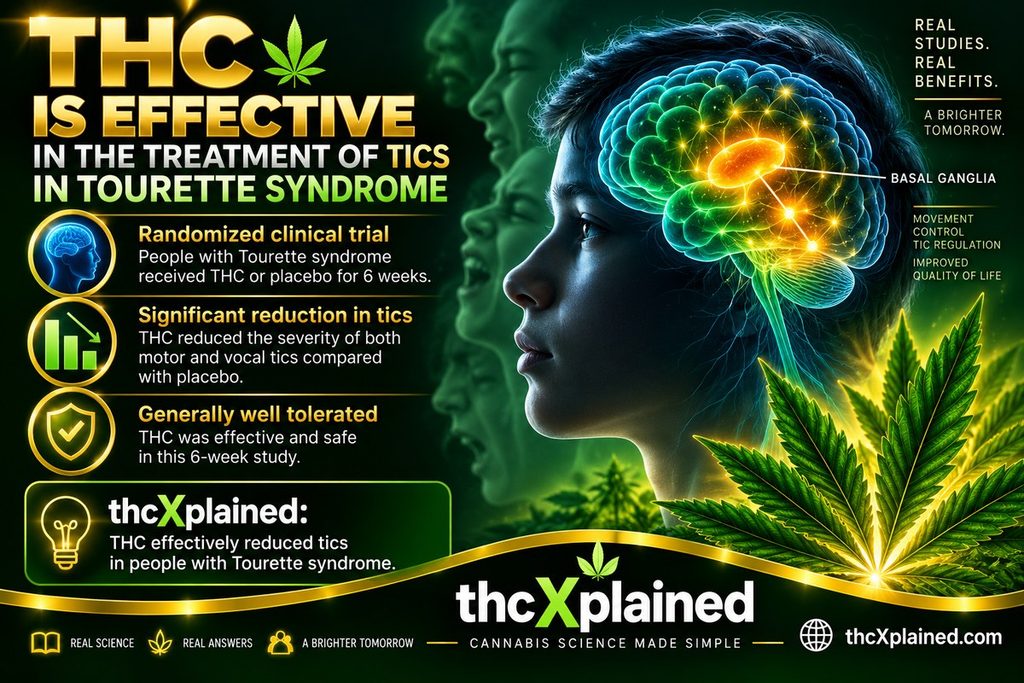
  • THC Is Effective in Treating Tics in Tourette Syndrome

    THC has been studied in people with Tourette syndrome.

    In this randomized clinical trial, THC reduced the severity of motor and vocal tics compared with placebo.

    The treatment was generally well tolerated.

    Study: Delta 9-tetrahydrocannabinol (THC) is effective in the treatment of tics in Tourette syndrome: a 6-week randomized trial.

    thcXplained: THC effectively reduced tics in people with Tourette syndrome.

    Access the study at THCtotalhealthcare.com

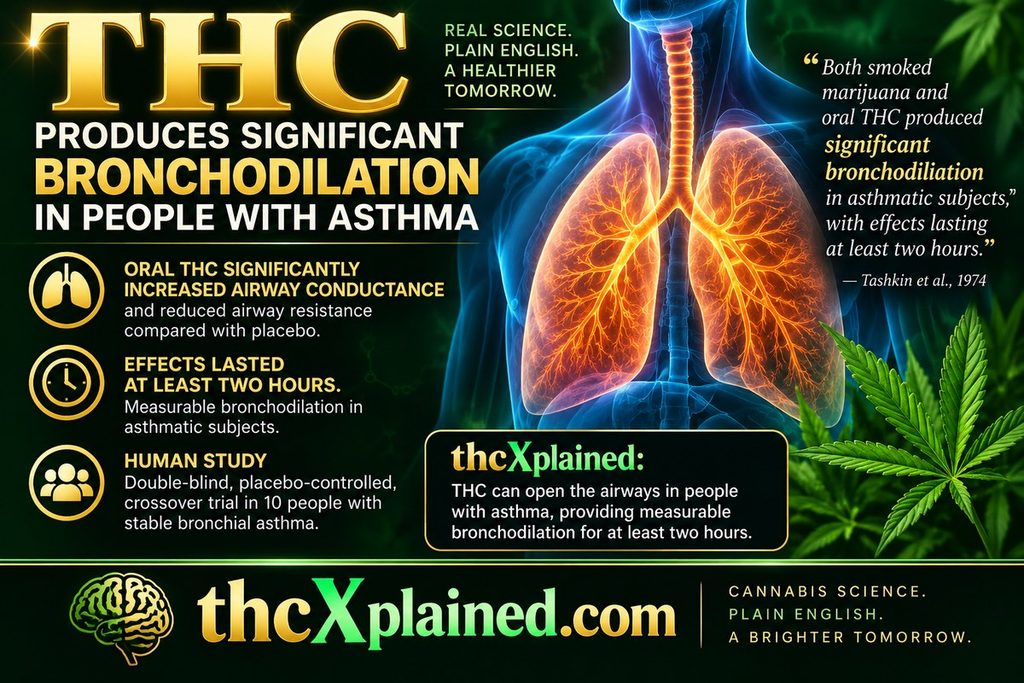
  • THC Opens the Airways in People With Asthma

    Cannabis has been studied in people with asthma.

    Researchers found that smoked cannabis and oral THC helped open the airways and reduced airway resistance compared with placebo.

    The effects lasted for at least two hours.

    Study: Acute Effects of Smoked Marijuana and Oral Δ9-Tetrahydrocannabinol on Specific Airway Conductance in Asthmatic Subjects

    thcXplained: Smoked cannabis and THC helped open the airways in people with asthma.

    Access the study at THCtotalhealthcare.com

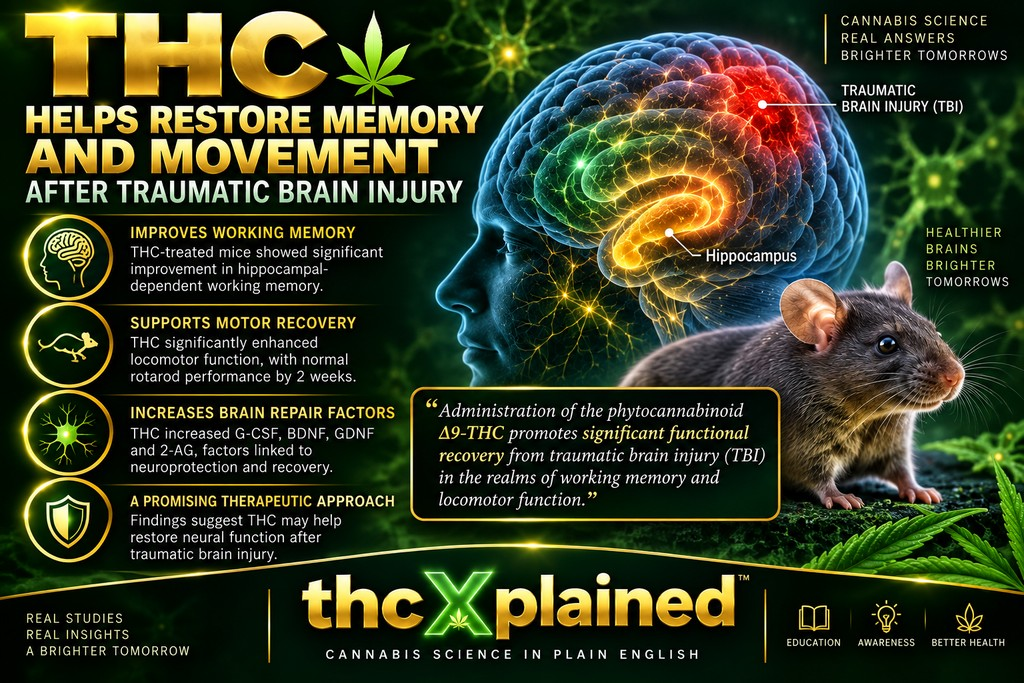
  • THC Restores Memory and Movement After Traumatic Brain Injury

    Researchers tested THC after traumatic brain injury in mice.

    THC-treated mice showed significant improvement in working memory and movement.

    THC also increased several factors linked to brain repair and recovery.

    The researchers concluded that THC promoted significant functional recovery after traumatic brain injury.

    Study: Administration of Δ9-Tetrahydrocannabinol Following Controlled Cortical Impact Restores Hippocampal-Dependent Working Memory and Locomotor Function.

    thcXplained: THC helps restore memory and movement after traumatic brain injury.

    Access the study at THCtotalhealthcare.com

  • THC Blocks Inflammation Triggered by Alzheimer’s-Related Amyloid

    Researchers found that THC reduced beta-amyloid levels in human nerve cells, a protein linked to Alzheimer’s disease.

    The study found that THC blocked the inflammatory response triggered by amyloid buildup and was protective against amyloid-related damage.

    These findings suggest THC may act on both amyloid buildup and inflammation in Alzheimer’s-related brain cells.

    Study: Amyloid proteotoxicity initiates an inflammatory response blocked by cannabinoids

    thcXplained: THC blocked the inflammation triggered by toxic amyloid proteins.

    Access the study at THCtotalhealthcare.com

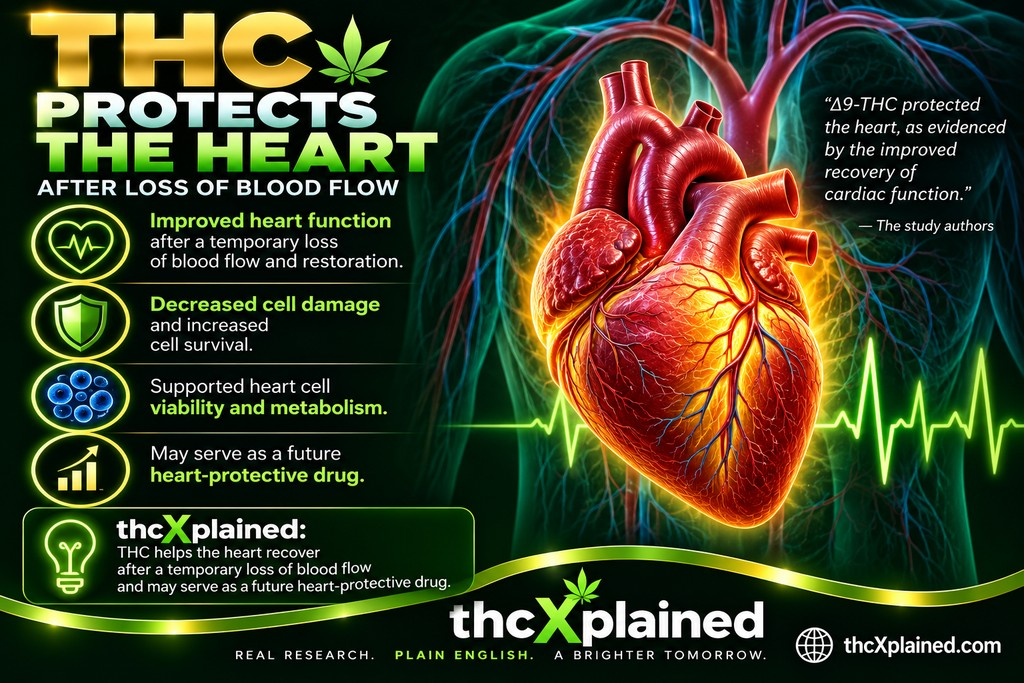
  • THC Protects the Heart After a Temporary Loss of Blood Flow

    Researchers tested THC on rat hearts and human heart cells after blood flow was temporarily blocked and then restored.

    They found that “Δ9-THC protected the heart, as evidenced by the improved recovery of cardiac function.”

    The researchers also reported that Δ9-THC “promotes the viability of cardiomyocytes, improves their metabolic activity, decreases cell damage and restores heart mechanical function, serving as a cardioprotective.”

    The findings suggest THC may help protect the heart when given before blood flow is cut off and shortly after blood flow returns.

    Study: Δ9-Tetrahydrocannabinol (Δ9-THC) Improves Ischemia/Reperfusion Heart Dysfunction and Might Serve as a Cardioprotective Agent in the Future Treatment.

    thcXplained: THC helps the heart recover after a temporary loss of blood flow and may serve as a future heart-protective drug.


    Access the study at THCtotalhealthcare.com

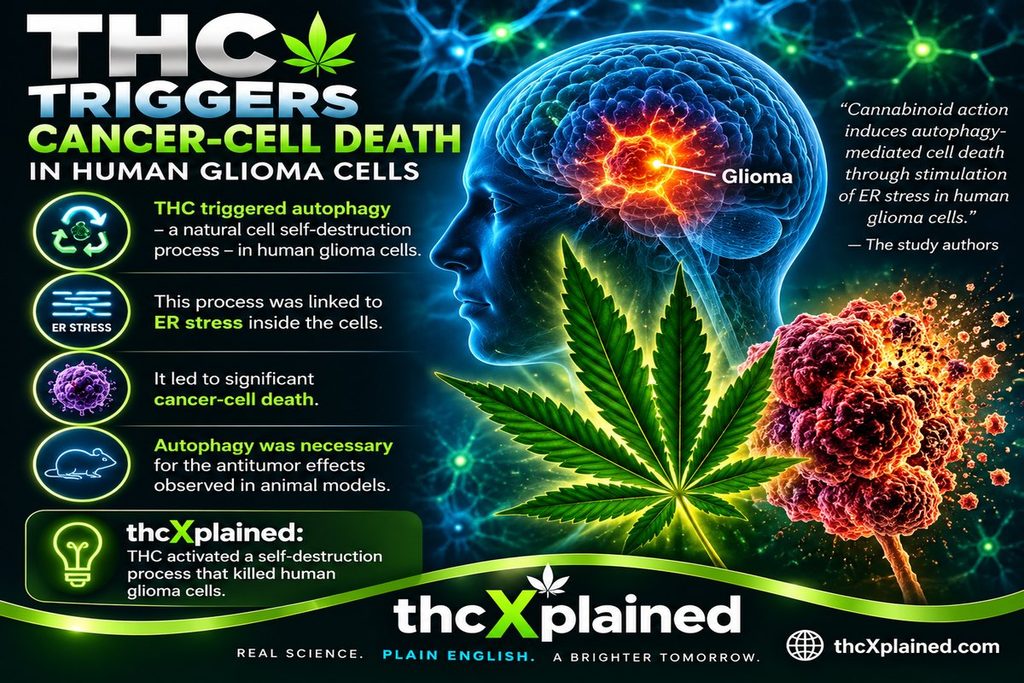
  • THC Triggers Cell Death in Human Brain Cancer Cells

    Autophagy is a process cells use to break down and recycle their own components.

    Researchers found that THC triggered autophagy in human glioma cells, leading to cancer-cell death.

    The study also found that this process was important for the antitumor effects seen in animal models.

    Study: Cannabinoid action induces autophagy-mediated cell death through stimulation of ER stress in human glioma cells

    thcXplained: THC triggered a self-destruction process that killed human brain cancer cells.

    Access the study at THCtotalhealthcare.com

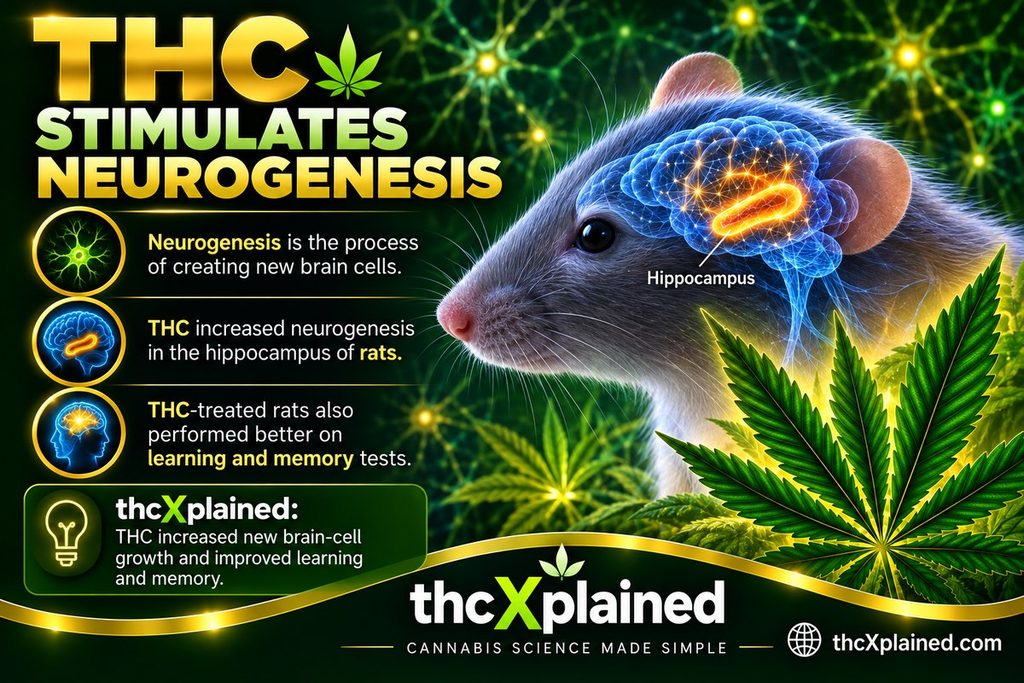
  • THC Stimulates Neurogenesis and Improves Learning and Memory

    Neurogenesis is the process of creating new brain cells.

    Researchers found that THC increased neurogenesis in the hippocampus of rats.

    THC-treated rats also performed better on learning and memory tests.

    Study: Delta-9-Tetrahydrocannabinol (Δ9-THC) Induce Neurogenesis and Improve Cognitive Performances of Male Sprague Dawley Rats

    thcXplained: THC increased new brain-cell growth and improved learning and memory in rats.

    Access the study at THCtotalhealthcare.com