THC Studies. Explained.

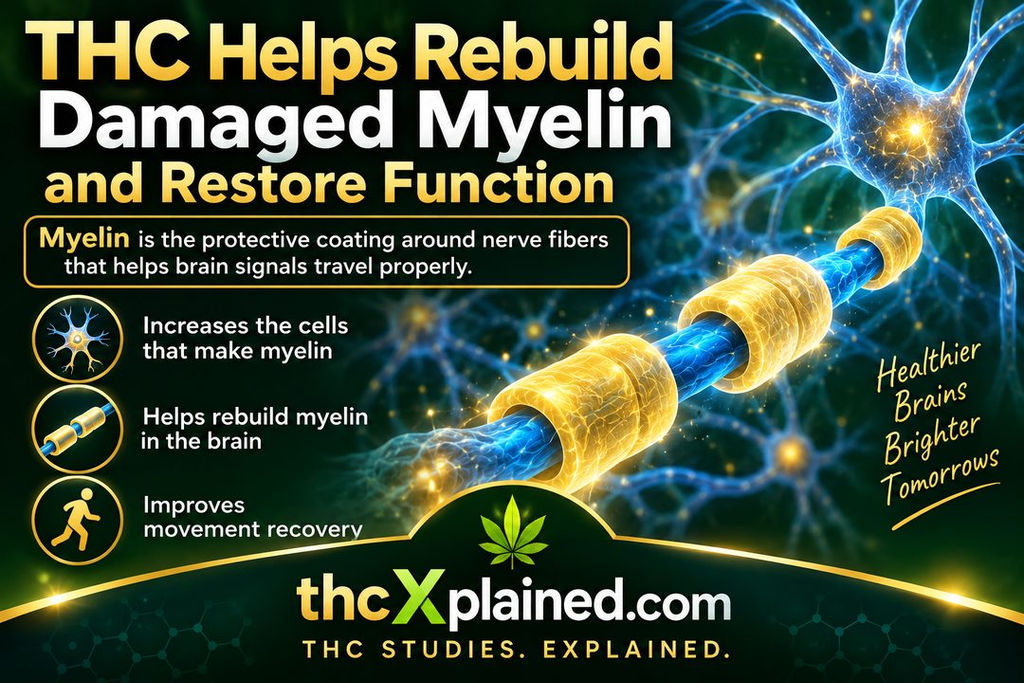
  • THC Helps Rebuild Damaged Myelin and Restore Function in the Mouse Brain

    Myelin is the protective coating around nerve fibers that helps brain signals travel properly.

    When myelin is damaged, communication between nerve cells can be disrupted.

    In mice with damaged myelin, THC increased the regeneration of oligodendrocytes, the cells that make myelin, and increased white-matter remyelination.

    The treated mice also showed better motor-function recovery.

    Study: Δ9-Tetrahydrocannabinol Promotes Functional Remyelination in the Mouse Brain

    thcXplained: THC helped rebuild damaged myelin in the mouse brain and improved motor recovery

    Access the study at THCtotalhealthcare.com
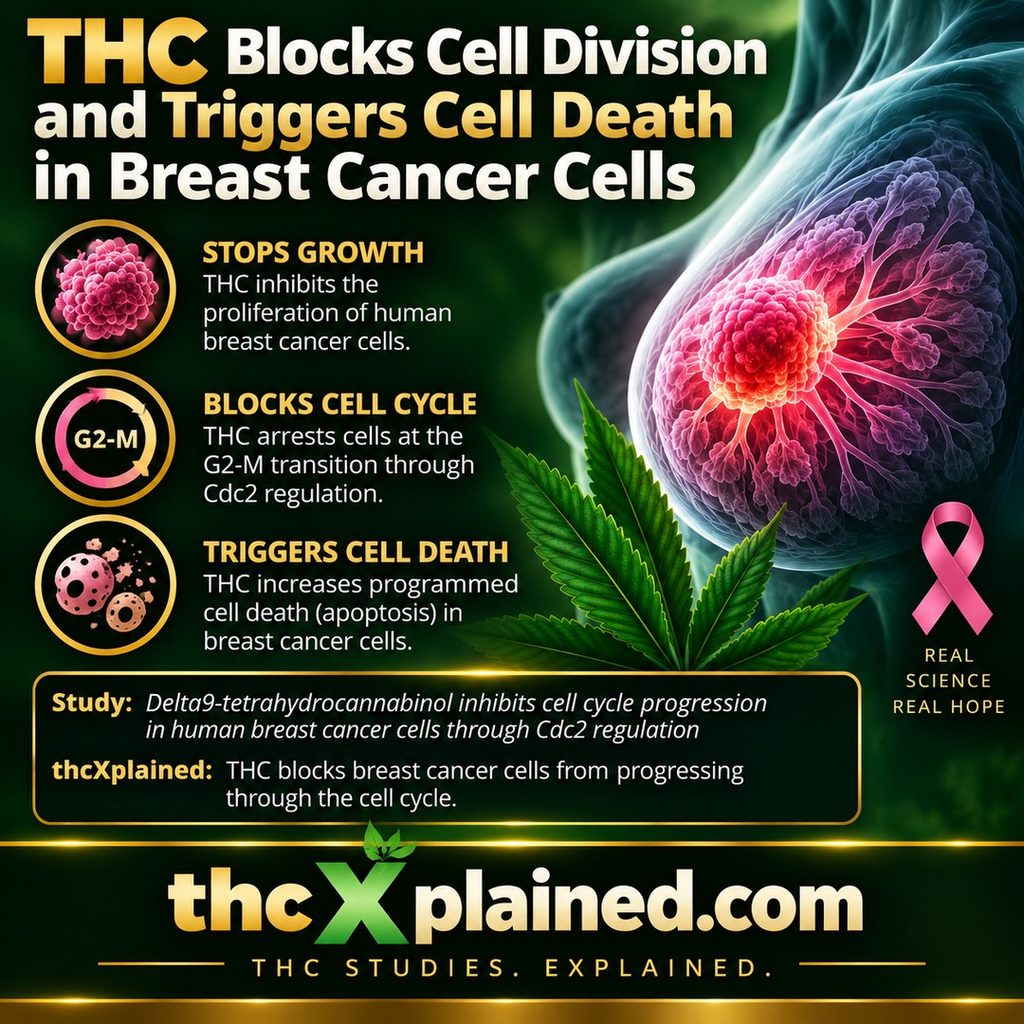
  • THC Blocks Cell Division and Triggers Cell Death in Breast Cancer Cells

    THC has been studied in human breast cancer cells.

    Researchers found that THC slowed their growth by blocking the cell cycle and also triggered apoptosis, a form of programmed cell death.

    Normal breast cells were much less affected in this laboratory study.

    Study: Delta9-tetrahydrocannabinol inhibits cell cycle progression in human breast cancer cells through Cdc2 regulation

    thcXplained: THC blocked breast cancer cells from progressing through the cell cycle.

    Access study at THCtotalhealthcare.com

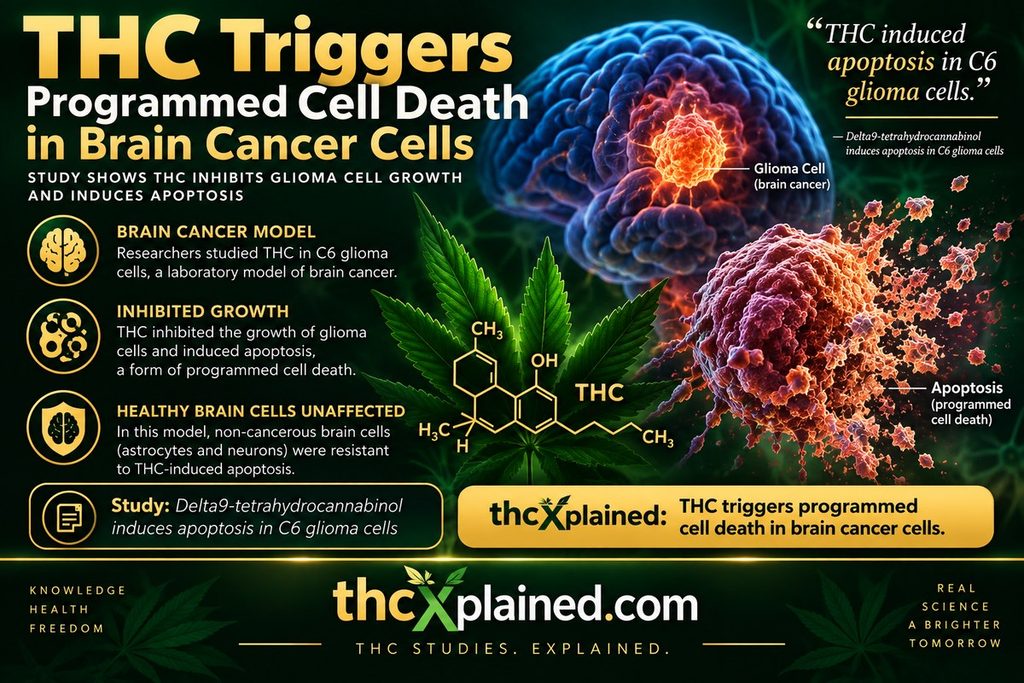
  • THC Triggers Programmed Cell Death in Brain Cancer Cells

    THC has been studied in C6 glioma cells, a laboratory model of brain cancer.

    Researchers found that THC inhibited the growth of these cells and induced apoptosis, a form of programmed cell death.

    The study also found that healthy brain cells were resistant to THC-induced apoptosis in this model.

    Study: Delta9-tetrahydrocannabinol induces apoptosis in C6 glioma cells

    thcXplained: THC causes programmed cell death in brain cancer cells

    Access study at THCtotalhealthcare.com

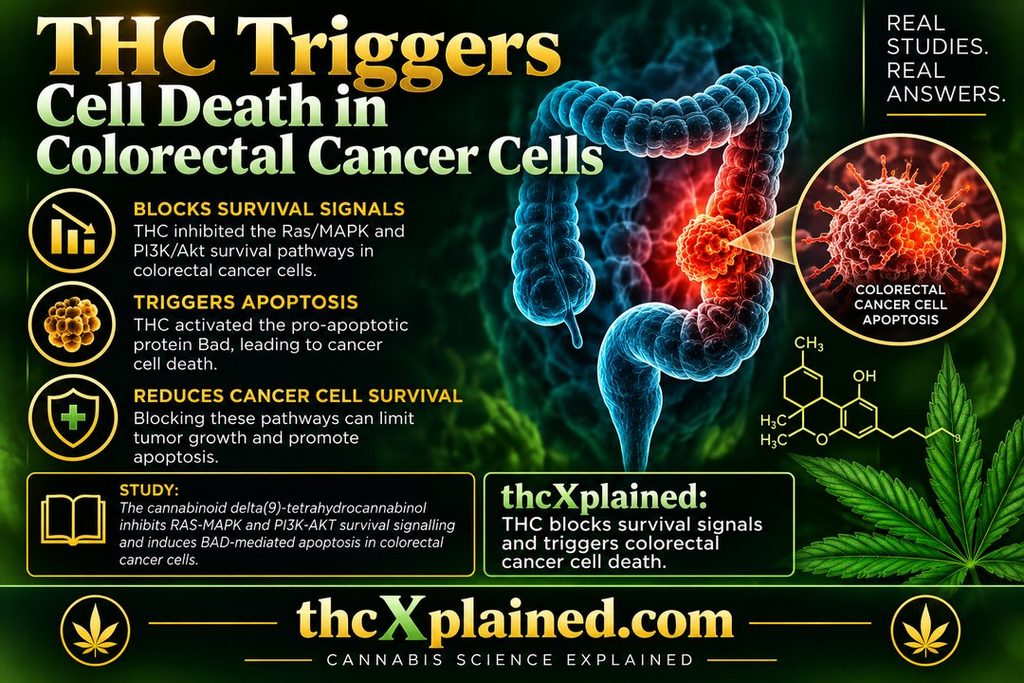
  • THC Triggers Cell Death in Leukemia Cells

    THC has been studied in human leukemia cells.

    Researchers found that THC triggered apoptosis, a form of programmed cell death, by disrupting a survival pathway and moving the pro-death protein Bad to the mitochondria.

    Study: Δ9-Tetrahydrocannabinol-Induced Apoptosis in Jurkat Leukemia T Cells Is Regulated by Translocation of Bad to Mitochondria

    thcXplained: THC triggered programmed cell death in Jurkat leukemia T cells by moving the pro-death protein Bad to the mitochondria

    Access the study at THCtotalhealthcare.com
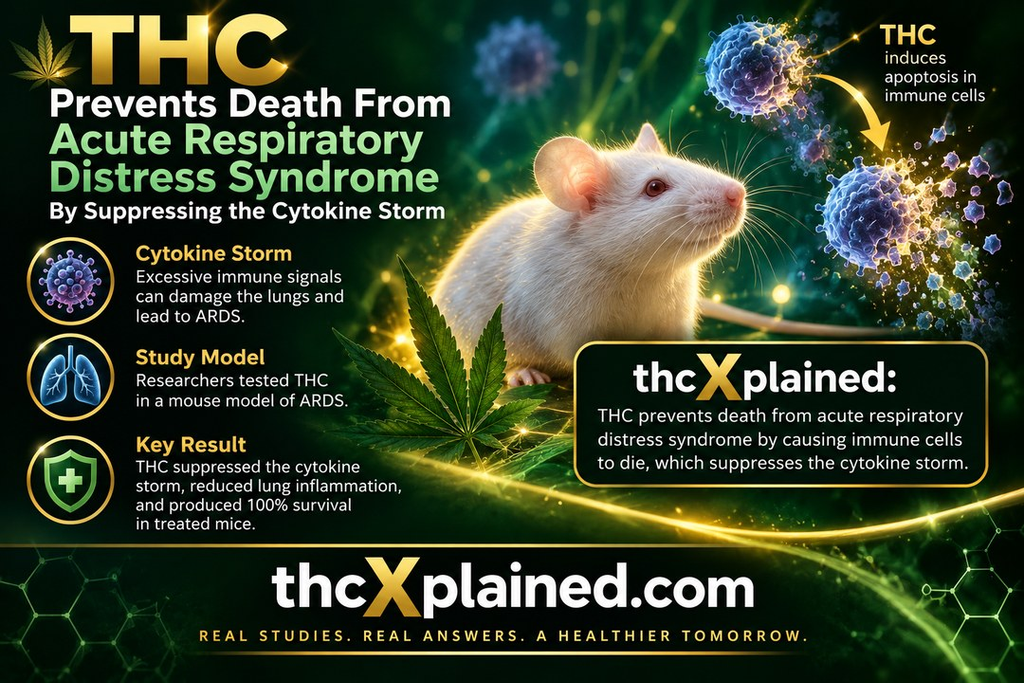
  • THC Triggers Cell Death in Human Prostate Cancer Cells

    THC has been studied in human prostate cancer cells.

    Researchers found that THC triggered apoptosis, a form of programmed cell death.

    The effect increased with higher THC concentrations and did not appear to depend on the usual cannabinoid receptors.

    Study: Delta9-tetrahydrocannabinol induces apoptosis in human prostate PC-3 cells via a receptor-independent mechanism

    thcXplained: THC triggered programmed cell death in human prostate cancer cells without relying on the usual cannabinoid receptors.

    Access the study at THCtotalhealthcare.com
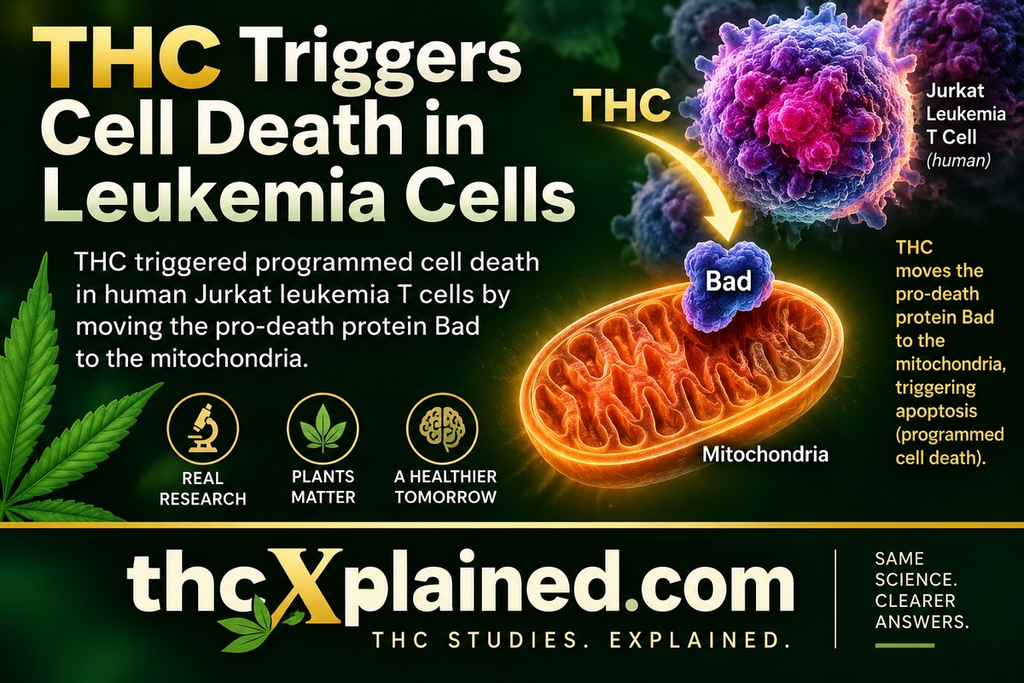
  • THC Triggers Cell Death in Colorectal Cancer Cells

    Researchers found that THC triggered apoptosis, or programmed cell death, in colorectal cancer cells.

    THC blocked two key survival pathways in the cancer cells.

    Study: The cannabinoid delta(9)-tetrahydrocannabinol inhibits RAS-MAPK and PI3K-AKT survival signalling and induces BAD-mediated apoptosis in colorectal cancer cells

    thcXplained: THC blocks survival signals and triggers colorectal cancer cell death.

    Access the study at THCtotalhealthcare.com
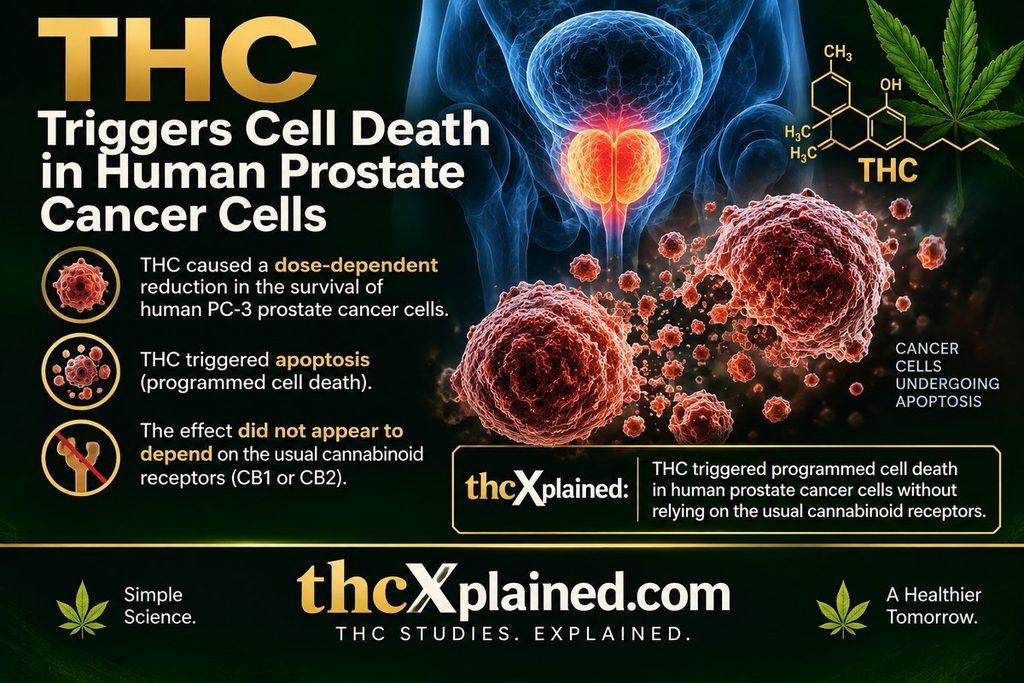
  • THC Prevents Death From Acute Respiratory Distress Syndrome in Mice

    A cytokine storm is an uncontrolled immune reaction in which excessive inflammatory signals can damage the lungs and lead to acute respiratory distress syndrome (ARDS).

    Researchers tested THC in a mouse model of ARDS.

    THC suppressed the cytokine storm, reduced lung inflammation, and produced 100% survival in the treated mice.

    100% of the untreated mice died.

    Study: Δ9-Tetrahydrocannabinol Prevents Mortality From Acute Respiratory Distress Syndrome Through the Induction of Apoptosis in Immune Cells, Leading to Cytokine Storm Suppression

    thcXplained: THC prevents death from acute respiratory distress syndrome by causing immune cells to die, which suppresses the cytokine storm.

    Access the study at THCtotalhealthcare.com
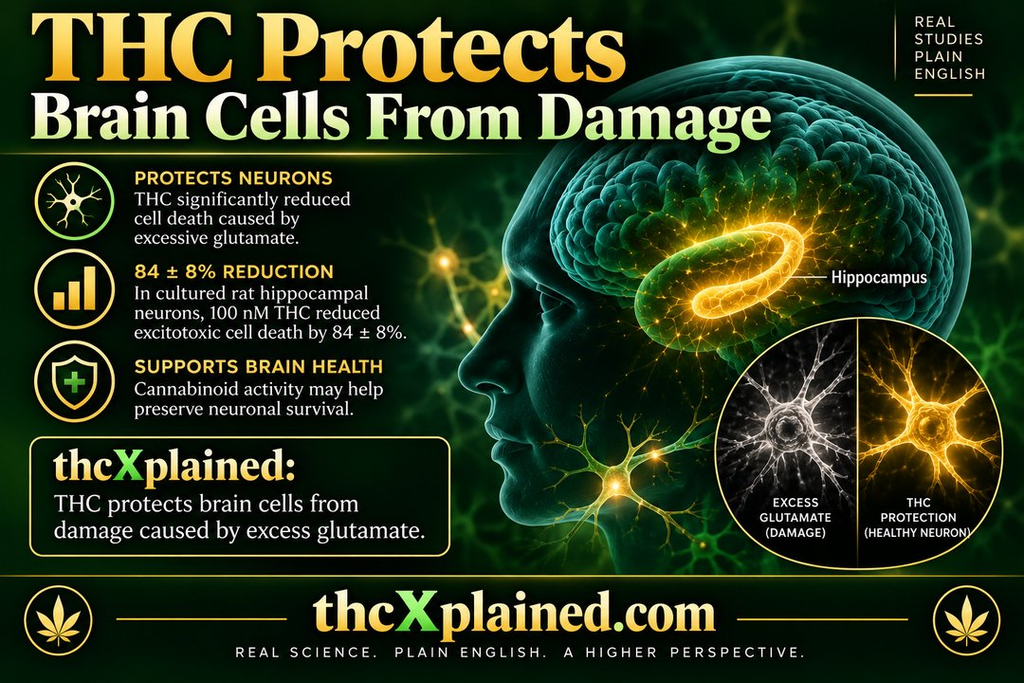
  • THC Protects Brain Cells From Damage

    Researchers found that THC protected hippocampal neurons from damage caused by excessive glutamate, a major excitatory neurotransmitter in the brain.

    In cultured rat neurons, THC reduced cell death by 84 ± 8%.

    Study: Δ9-Tetrahydrocannabinol protects hippocampal neurons from excitotoxicity

    thcXplained: THC protects brain cells from damage caused by excess glutamate.

    Access the study at THCtotalhealthcare.com
  • THC-Based Nano Eye Drops Lower Eye Pressure

    Researchers tested a nanoformulation containing a Δ9-THC derivative designed to improve delivery into the eye.

    It lowered pressure by 30% and lasted longer than pilocarpine and timolol, two standard medications used to lower eye pressure.

    Study: Δ9-Tetrahydrocannabinol Derivative-Loaded Nanoformulation Lowers Intraocular Pressure in Normotensive Rabbits

    thcXplained: A THC-based nanoparticle treatment lowers eye pressure in rabbits.

    Access the study at THCtotalhealthcare.com
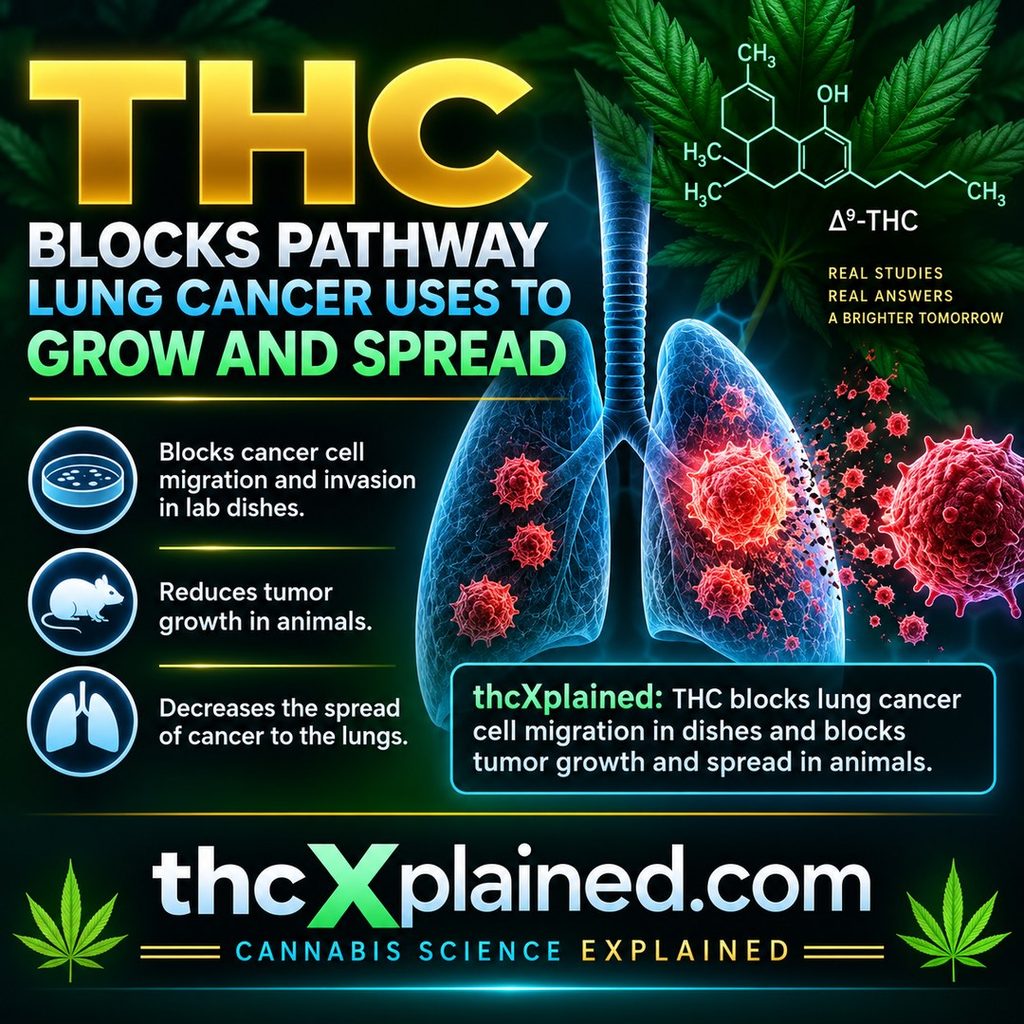
  • THC Blocks Pathway Lung Cancer Uses to Grow and Spread

    THC has been studied for its effects on lung cancer.

    Researchers found that THC blocked lung cancer cell migration and invasion in lab dishes.

    In animals, THC reduced tumor growth and the spread of cancer.

    Study: Delta9-Tetrahydrocannabinol inhibits epithelial growth factor-induced lung cancer cell migration in vitro as well as its growth and metastasis in vivo

    thcXplained: THC blocks lung cancer cell migration in dishes and blocks tumor growth and spread in animals.

    Access the study at THCtotalhealthcare.com